
About Susan
You can't connect the dots looking forward; you can only connect them looking backward. So, you have to trust that the dots will somehow connect in your future.
- Steve Jobs


The Why Behind the Work
I'm Susan Hearn, founder of KENEKTS Global. For more than thirty years, I've helped people see what's possible and move toward it, from teenagers building their first real body of work to executives writing their next chapter. Today that work runs through AI fluency. Human first. Fluent second.
I didn't start out coaching anybody, though. I started by getting myself free. F.R.E.E.D.O.M., which is my framework for transformation: Finding Passion. Realizing Goals. Eliminating Fear. Embracing Change. Designing Pathways. Opening Minds. Manifesting Abundance.
Finding Passion & Realizing Goals

My work starts with one question: what actually drives you? Then I teach you to put AI to work on it without losing yourself in the process. Your thinking, your voice, and your judgment stay yours. The machine does the heavy lifting.
When it works, you don't walk away with another app. You walk away seen, heard, and fluent.
Where did I learn that? It's in my DNA.

My father, Albert Leon Hearn, started as a regional beer salesman and rose to marketing executive at Schlitz Brewing in the 1970s and '80s. Nobody walked into that room by accident back then. You got there with results nobody could argue with.
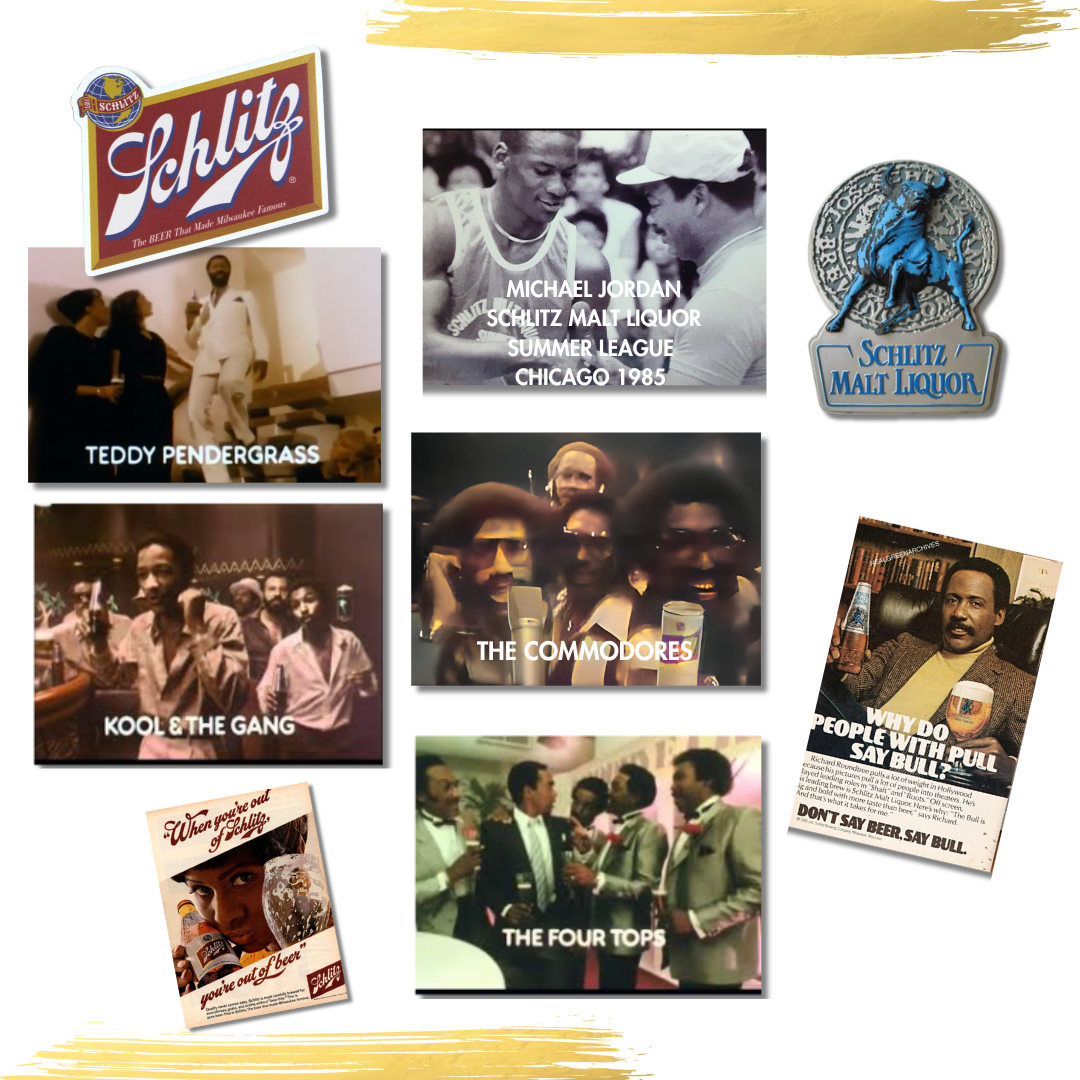
He knew the right music could carry a brand straight into the culture. He was behind the marketing of the Schlitz Malt Liquor Bull crashing through the wall, and the music woven into it: The Commodores, Teddy Pendergrass, The Temptations, The Four Tops, Kool & the Gang, Average White Band, and many others. He sponsored events featuring a young Michael Jordan.
Here's the complicated part.
The product he sold had real consequences in the communities he loved most. He knew it, and he carried that tension every day. Watching him carry it is where I learned that influence comes with a bill.

But here's where my father's brilliance came in - and trust me, this man was playing 3D chess while others were playing checkers. He understood that business success and community investment weren't separate goals; they were connected.
He redirected marketing dollars into sponsorships, partnerships, and initiatives that created real opportunities, supporting education, leadership programs, and community organizations.
Was it a perfect solution? No. But as one of the few executives in the room with decision-making power, he was determined to leverage his influence to create systemic impact.

Meanwhile, Dad’s hard work provided me with opportunities that most kids who looked like me didn’t have.
In fifth grade at Stonegate Elementary in San Jose, California, I was one of a few students selected for the Mentally Gifted Minors (MGM) program. We were invited to explore a new tool most people had never even seen: a Commodore PET computer tucked away in the school library.
I didn't know it then, but that glowing screen was the start of something. I was drawn to it, not because I knew what to do, but because I could feel it was mine to learn. That moment of being chosen, of being trusted with emerging technology before it was mainstream, planted a seed.
I didn't have the words yet, but I knew I was already building something.
Eliminating Fear

Fast forward to my career launch in 1992, working in Marketing at BET Networks, and over 30 years later, I've continued serving as a consultant, contributing to initiatives that align with my passion for audience engagement and strategic impact.
In the early 2000s, I stepped into a role that would teach me something crucial about how business really works: sometimes the biggest opportunities are hiding in plain sight, and nobody knows how to unlock them.

That role was the Madison Avenue Initiative, which I ran for three years at Rev. Al Sharpton's request through the National Action Network. Fortune 500 companies had a problem they couldn't solve.
They had the budgets. They wanted to grow. What they didn't have was a way in: no bridge to the high-performing cultural agencies and media outlets that already knew how to reach the audiences these brands kept missing.

That was my father's lesson all over again. Doing right by the community and doing right by the business were never two different jobs.
Here's the part nobody saw. I was young, and I'd been chosen to sit at tables most people who looked like me never got near. Some days I wasn't sure I was supposed to be there.
Then I'd start talking, and realize I knew something none of them did. I wasn't a guest in those rooms. I was the reason they were having the meeting.
So I built the bridge. As Executive Director, I brought L'Oréal USA, Mercedes-Benz USA, Colgate-Palmolive, Unilever, Johnson & Johnson, PepsiCo, and Macy's East to the table with the partners they'd been missing.
The math was simple. We were 12% of the population, so we asked for 12% of the spending.

After NAN, I took what I knew about how culture moves and went to work with the brands chasing it. Reebok. EA Sports. Xbox, PlayStation, Nintendo. CP3 Basketball Academy. Madden, Halo, Ghost Recon.

It was a time of reading youth trends and helping big brands catch up to new digital platforms and social technology. I used behavioral data and audience insights to make sure their message didn't just get seen. It got people to act.

Embracing Change

This experience laid the foundation for my next chapter as I ventured into entrepreneurship and tech. I carried with me the same drive for strategic, data-informed storytelling, but now with a focus on leveraging analytics, automation, and AI to solve problems in the digital age.
While a lot of brands were still buying billboards, I joined Unbound Technologies in 2007, a startup founded by a former Oracle executive out of Silicon Valley. The company used its own technology to read social network data and find the people most likely to spread a campaign. A machine reading human behavior at scale. An early ancestor of what we call AI today.









By the time Facebook and Instagram launched, I had already introduced these platforms and their strategic potential to businesses in media and entertainment—helping them understand audience targeting, engagement metrics, and platform behavior before most brands even had a social strategy.
I had a front-row seat to Facebook's rise and witnessed how algorithmic content distribution forever changed digital marketing, reshaping consumer behavior, brand reach, and data-driven decision-making in ways that created entirely new opportunities for business growth.

Out of all that came Social-Emotional Branding™. The data tells you who and when. The story tells you why anybody should care. Numbers without feeling get ignored. Feeling without numbers gets cut from the budget. You need both.
That's what I carried into entrepreneurship, and eventually into AI.
Designing Pathways
I've worked with some of my generation's biggest brands and movements. I served as Digital Director for the CROWN Act, which has passed in 30 states. You saw the rest on the wall up top: Dove, Dove Men+Care with the NBPA, March Madness, Mercedes-Benz, American Express.
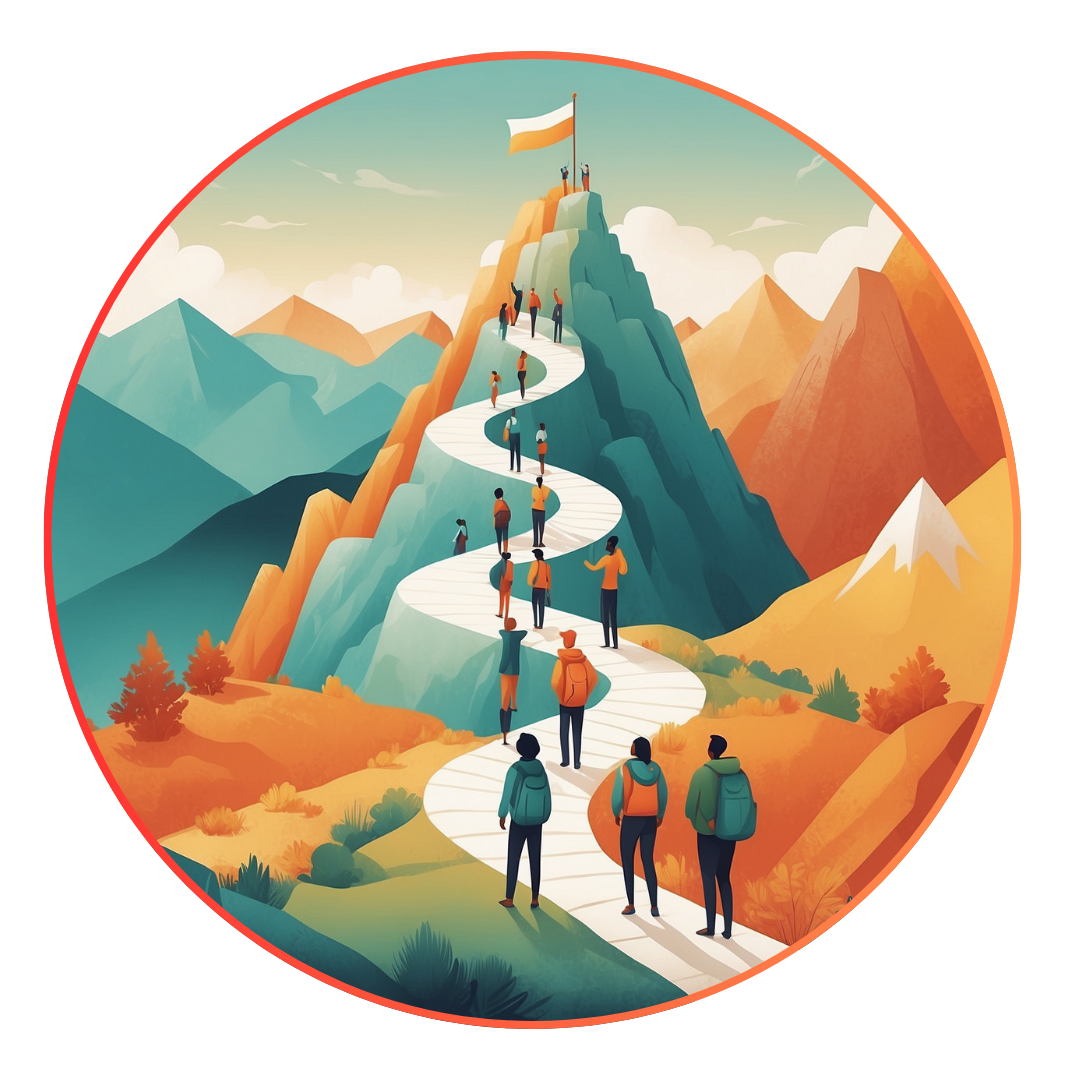
Every client starts somewhere. My job is to meet you there, show you with real numbers what's possible, and then build the path between the two.
Today, that's KENEKTS Global. I teach people how to run AI instead of letting it run them.
Human first. Fluent second.

Opening Minds
Most of the time the opportunity isn't hidden. It's sitting behind an assumption nobody has questioned. I help leaders find it, test it, and act on it.

That goes for wherever you are right now. Leading a team. Building a business. Changing careers. Figuring out what AI means for the work you spent your whole life getting good at.
So here's the question I ask every client: What are you assuming that you've never actually checked?
Manifesting Abundance


Most of us were taught that abundance comes from the grind and the hustle. It doesn't. It comes from alignment: results you can measure, a life you recognize, and never having to become somebody else to get there.
I didn't plan to follow in my father's footsteps. I just kept looking down and finding them.
He worked with Operation PUSH. I worked with NAN. He moved the money toward our communities. So do I. He carried the weight of a product with real consequences for the community he loved. I carry that same weight now with AI, which is why it's human first, every time.
Looking back, the dots connect. A fifth grader at a PET computer. A young woman at a Fortune 500 table, wondering if she belonged. A startup reading MySpace before most brands knew what it was. All of it led here.
In other words, F.R.E.E.D.O.M.
Want to find yours? Let's connect.